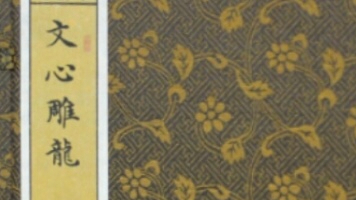
The Literary Mind and the Carving of Dragons
Overview
The Literary Mind and the Carving of Dragons, known as Wenxin Diaolong in Chinese, is a seminal work of literary criticism written by Liu Xie during the Southern and Northern dynasties (420-581). This literary masterpiece delves into the aesthetic principles and philosophical underpinnings of language and literature in ancient China. It's recognized for its profound influence on Chinese literary theory and artistic discourse, making it an integral part of China's cultural heritage.
Author: Liu Xie
Liu Xie, the author of The Literary Mind and the Carving of Dragons, was a distinguished literary critic and scholar of his time. Living during the Southern and Northern dynasties, Liu Xie was a meticulous thinker whose insights into literature and aesthetics contributed significantly to the understanding and appreciation of Chinese literature. His work reflects a deep engagement with the cultural, philosophical, and artistic currents of his era.
Historical Context
The Literary Mind and the Carving of Dragons was composed in a period marked by political fragmentation and cultural diversity in China. The Southern and Northern dynasties were characterized by a division between the northern and southern regions of China, each with its own distinct cultural and intellectual developments. Within this context, Liu Xie's work sought to unify and articulate a coherent vision of literary aesthetics that transcended regional differences.
Content and Themes
The treatise is organized into 50 chapters, each addressing various aspects of literary creation and criticism. Liu Xie explores the relationship between form and content, the role of emotion in literature, and the importance of stylistic elegance. One of the central themes of the work is the concept of "Wen", which refers to the literary and cultural expression that embodies both beauty and moral insight. Liu Xie emphasizes the harmonious integration of intellectual depth and artistic form, advocating for a literature that resonates with both ethical values and aesthetic pleasure.
Influence and Legacy
The Literary Mind and the Carving of Dragons has had a lasting impact on Chinese literary criticism and theory. Its exploration of aesthetic principles and literary techniques has informed subsequent generations of writers, critics, and scholars. The work is considered a cornerstone of Chinese literary thought, offering insights that continue to inspire contemporary discussions on literature and art.
Beyond its literary significance, the treatise also provides valuable perspectives on the broader cultural and intellectual milieu of ancient China. Liu Xie's insights into language, aesthetics, and cultural expression contribute to a deeper understanding of the philosophical and artistic traditions that shaped Chinese civilization.
Rizhao's Cultural Heritage
Rizhao, the birthplace of Liu Xie, preserves his legacy through historical sites, cultural preservation, and educational initiatives. Attractions like the Ancient City of Ju State and the Juzhou Museum provide visitors with a deeper understanding of the region's rich history and its connection to influential figures such as Liu Xie.
The exploration of Rizhao's cultural sites, including workshops in traditional crafts and experiences in tea cultivation, enriches the understanding of Chinese cultural practices and their historical contexts. Visitors to Rizhao can engage with the city's heritage through hands-on experiences and educational opportunities that highlight the significance of works like "The Literary Mind and the Carving of Dragons." Article reference1. Rizhao's allure seen through expats' eyes. chinadaily.com.cn. 2023Photo Gallery(4 pictures)CategoriesLiteratureTagClassics of Chinese StudiesCatalogue1. Overview2. Author: Liu Xie3. Historical Context4. Content and Themes5. Influence and Legacy6. Rizhao's Cultural Heritage- - - []
来源: Culturepedia - The Literary Mind and the Carving of Dragons








